Who can do what — scope of practice for exosome and microneedling protocols
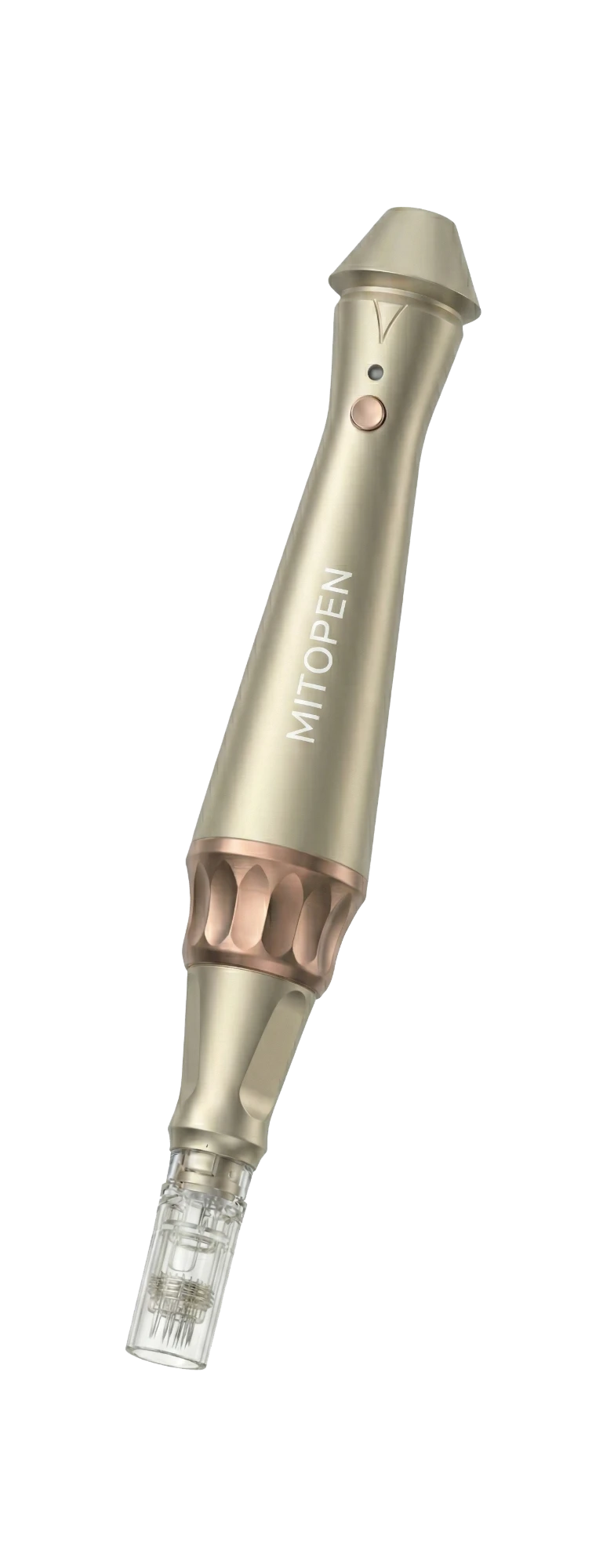
Before a single device is bought, the question that decides a clinic's menu isn't 'does it work' — it's 'am I licensed to do it here'. Scope of practice for injectables, microneedling depth and exosome application varies by country, by professional title and sometimes by region within a country. Get it wrong and the best protocol in the world becomes a liability. This is a framing, not legal advice — verify against your local regulator.
The three tiers that show up almost everywhere
- Physician (MD / dermatologist / plastic surgeon): broadest scope. Typically the only tier cleared for deep microneedling, anything approaching injectable depth, and physician-supervised novel actives.
- Nurse / advanced practitioner: often permitted to perform under physician delegation or supervision, with depth and indication limits.
- Cosmetologist / aesthetician: superficial work. In most jurisdictions this means shallow microneedling (commonly capped well under 1 mm), topical and barrier-supporting protocols, and post-care — not deep penetration or anything classed as a medical act.
Why depth is the dividing line
Microneedling regulation almost always keys on needle depth, because depth is what turns a cosmetic procedure into a medical one. A device like MitoPen with a dial-locked depth ring is an asset here precisely because the limit is mechanical and demonstrable: you can show that the handle was set to a compliant depth for the scope you operate under. The same device serves a physician at 1.5 mm and a cosmetologist at 0.25–0.5 mm — the licence sets the number, the dial enforces it.
Where exosomes sit
Exosome products occupy a moving regulatory space and the classification differs sharply between markets — cosmetic in some, restricted or physician-only in others. The safe operating principle: treat the topical/barrier and superficial-delivery applications as the broadly available tier, and reserve anything resembling deep introduction or injection for the physician scope. When in doubt, the lower-depth, topical-plus-superficial protocol is both the safer clinical choice and the safer regulatory one.
Building a menu that fits your licence
Design the menu around your scope, not around the device's maximum. A cosmetologist-led clinic can run a complete, compelling protocol — superficial Exosignal and V-Tech delivery, barrier-supporting masks, Mitoscan diagnostics, structured home care — without ever touching physician-only depths. A physician-led clinic layers the deeper work on top. The device line is built to serve both tiers; the licence decides which settings you use.
The documentation that protects you
Record the depth setting, the practitioner and their qualification, the consent, and the contraindication check for every session. If a regulator ever asks, 'who did this and at what depth', the answer should be in the chart before the question is asked. The same Mitoscan baseline that sells the next course also timestamps the standard of care you delivered.
Design the menu around your scope, not around the device's maximum.
— Mitoderm practitioner note
Featured in this protocol
Bring this protocol into your clinic
Pricing, training and protocol support — get in touch.
Contact us