What are exosomes in skincare, and why clinics ask about them
Exosomes are nanometre-scale extracellular vesicles secreted by living cells. They carry proteins, lipids, mRNA and microRNA between cells — a signalling layer of the body that researchers and clinicians have spent the last decade learning to use intentionally.
For a clinical practice, the relevant question is not "do exosomes work" in the abstract — it is which payload, in which carrier, delivered how, on which skin, and to which endpoint. This post answers that practical version.
Why the conversation moved from growth factors to exosomes
Topical growth factors have been on the market for over a decade. They are real molecules and they work — within the limits of a single signalling protein hitting a barrier. Exosomes move the conversation forward in three ways: they package multiple signals together, they survive the trip into the skin better than free protein, and they participate in a more complete "conversation" with the recipient cells.
What is actually inside a clinical exosome serum
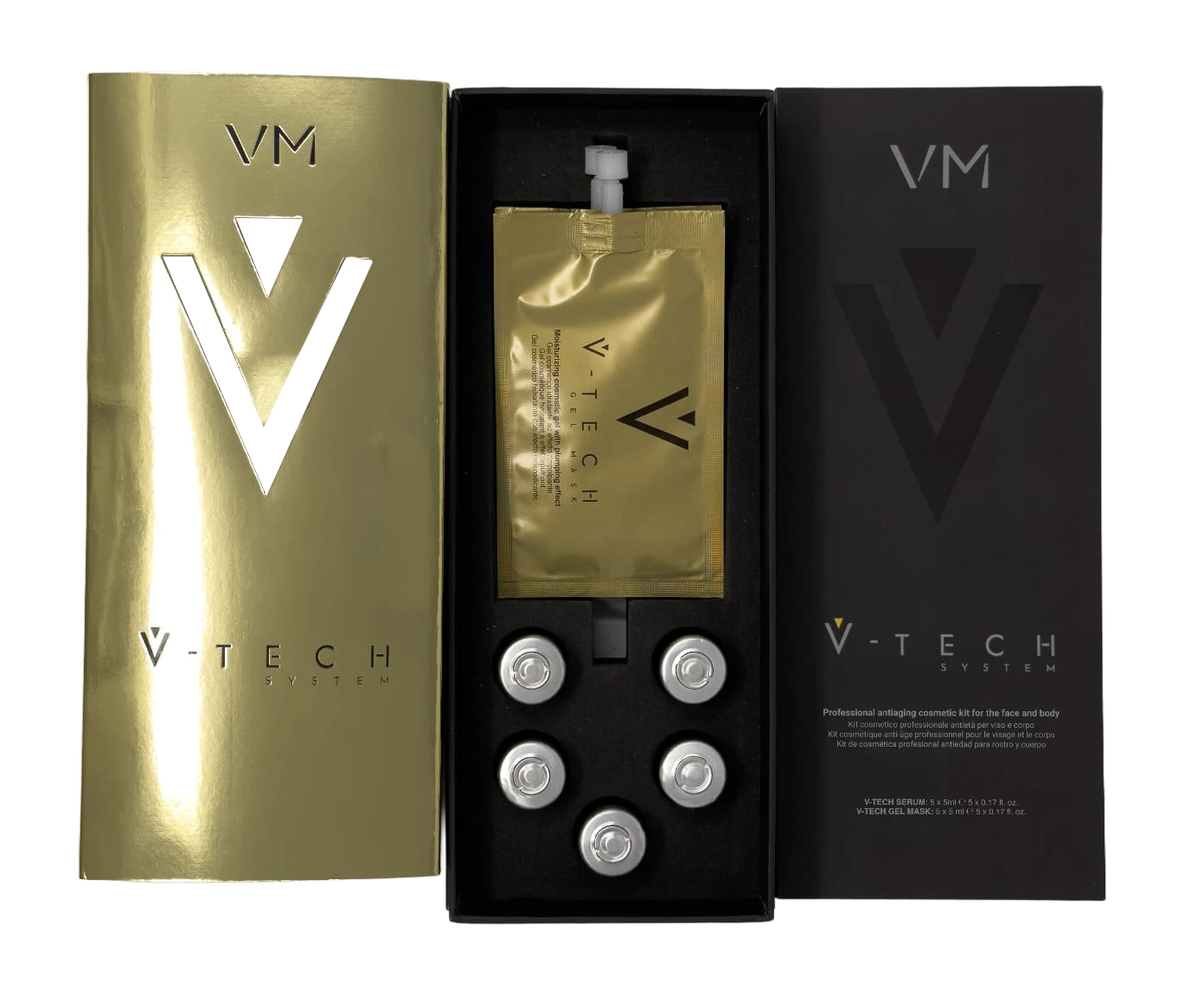
A good clinical exosome product publishes three things: the source (plant, MSC, lyophilised, etc.), the particle count per dose, and the carrier matrix that protects the cargo until application. The V-Tech serum, for example, leads with the carrier — the goal of the protocol is that the exosome cargo reaches the upper dermis intact.
- Source — plant-derived, mesenchymal-stem-cell-derived, etc.
- Particle count per dose — a measurable number, not a marketing word
- Carrier — what holds the exosomes between manufacture and skin
- Protocol — at what depth, with what frequency, for how many sessions
Delivery is the protocol
Topical alone is a small fraction of the conversation. The clinical answer is microneedling-assisted delivery — a motorised pen at a calibrated depth, immediately followed by the serum. The MitoPen E30-Ultima is the delivery instrument that the V-Tech protocol is written for: five speeds, locked depth, sterile single-use cartridges.
What to tell the patient
Set expectations on three axes: a single session shows freshening; a course of 3–4 sessions, two weeks apart, is where you measure density and texture change; maintenance is once per quarter. Photograph at baseline with Mitoscan or your imaging device — comparison without baseline is opinion.
The product is a signalling cargo. The protocol is the product.
— V-Tech training note
Featured in this protocol
- SERUMV-Tech Serum5 ml exosome serum: synthetic exosomes + 2% PDRN polynucleotides + biomimetic peptides for clinical regeneration.
- MASKV-Tech Gel MaskGel mask with low-MW polynucleotides + peptides + snail mucin + HA — the protocol partner of V-Tech Serum.
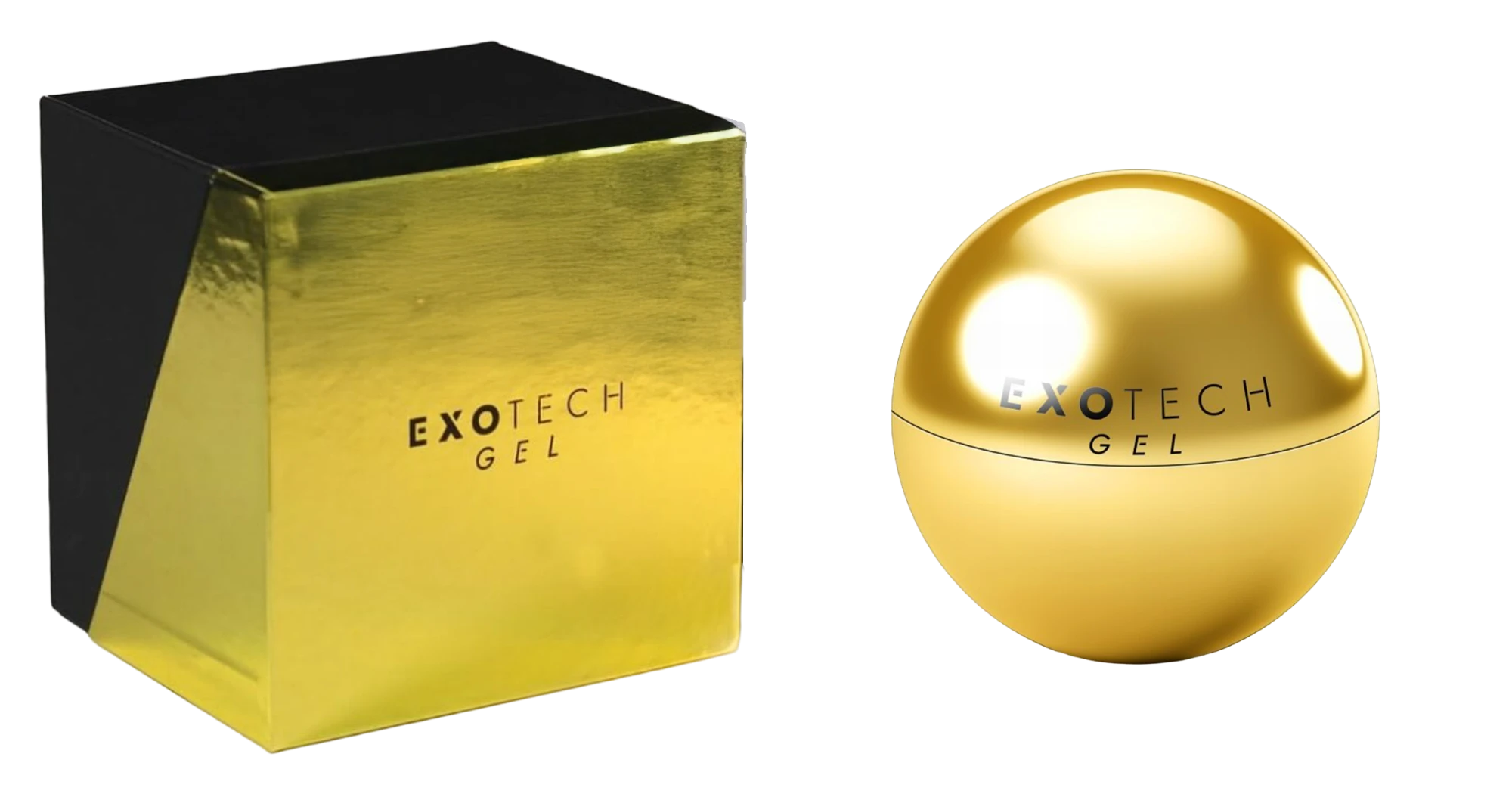
- GELExotech GelExosome-encapsulated gel for daily maintenance between in-clinic V-Tech protocols.
Bring this protocol into your clinic
Pricing, training and protocol support — get in touch.
Contact us